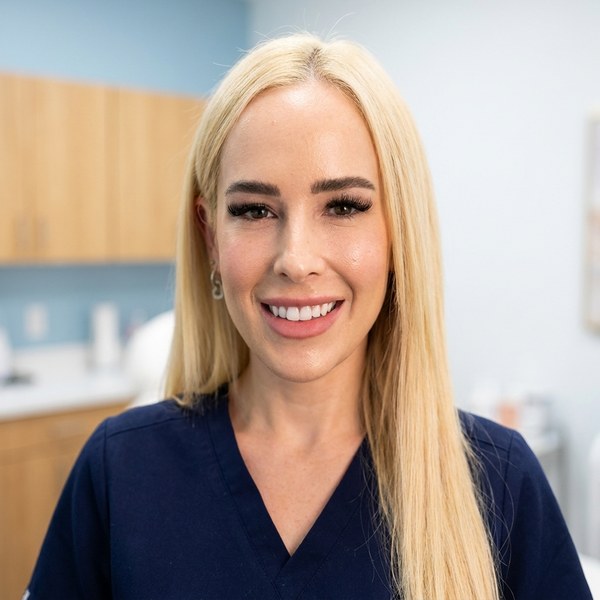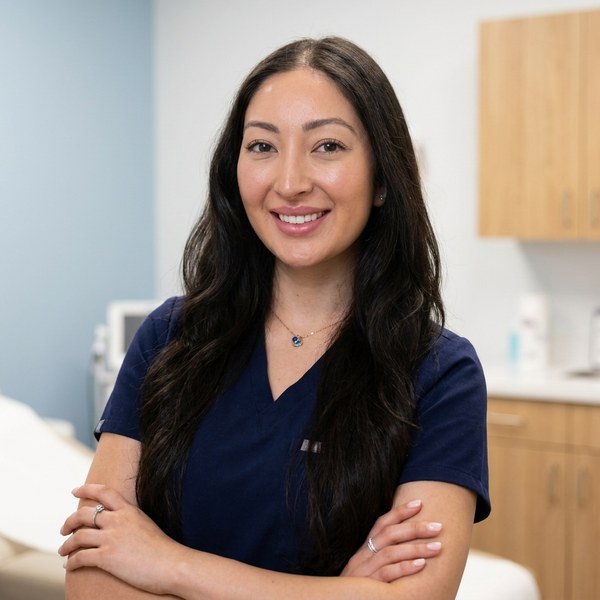
Nurse Practitioner
Megan Lafuente
West Hollywood
What Megan does
- Neurotoxins
- Dermal filler
- Hormone therapy
- Peptide protocols
- Medical weight management
- Lab work review
Regenerative
The product, not the factory. Cell Factor delivers the signalling factors stem cells produce, without transplanting living cells.
$499as an add-on
With microneedling, laser or RF microneedling
$950per session
Standalone scalp session, no blood draw
New clients save 15% on your first treatment.
As a booster, $499 sits on top of the base treatment rather than instead of it. As a standalone hair session it is $950, the same as PRP. Joint injections, IV infusion and systemic protocols are quoted at consultation because the protocol varies with what is being treated.
Financing available
Pay over time with the same providers we use in center. Checking your options does not affect your credit score.





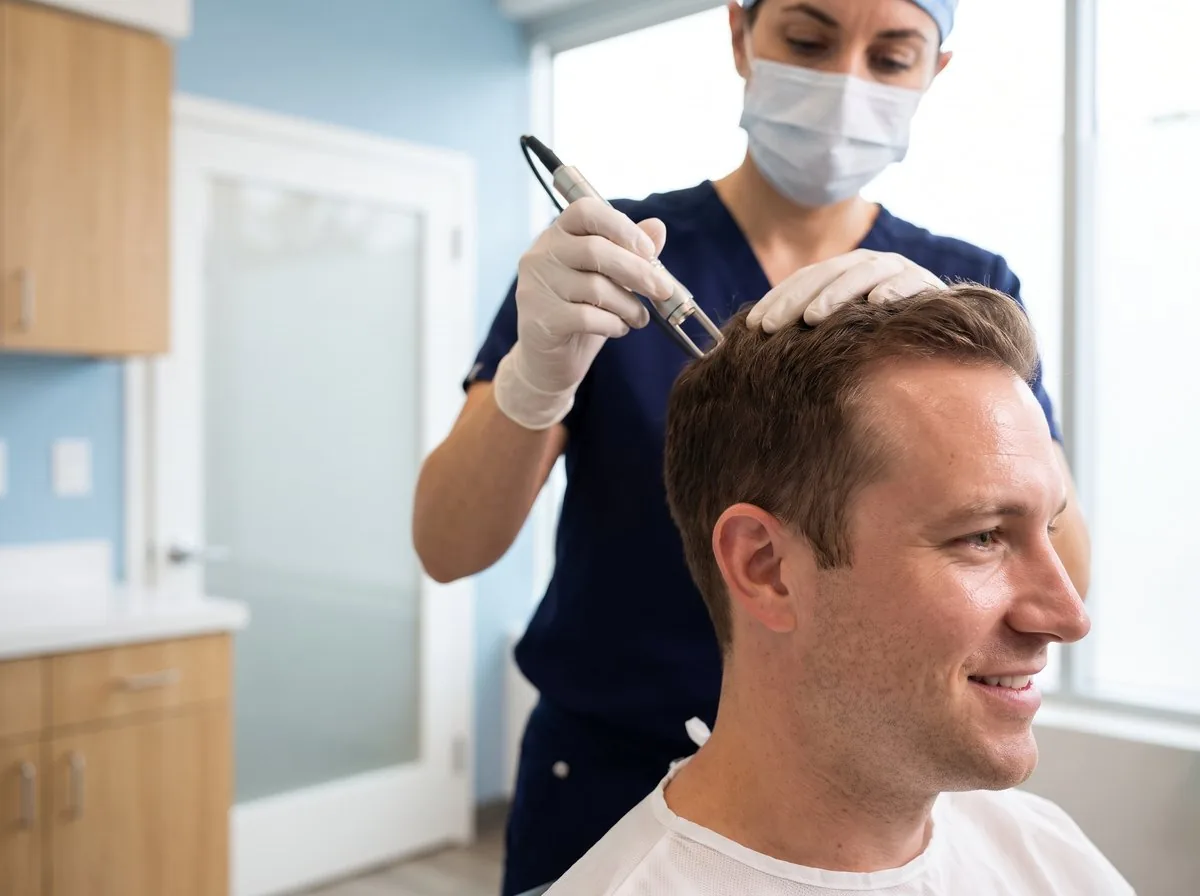
Cell Factor · Hair restoration
In short
Cell Factor is an acellular, DNA-free therapy derived from stem cell biology that delivers over 400 growth factors and extracellular vesicles without transplanting living cells. It holds FDA Section 361 tissue classification, meaning it is regulated as human tissue rather than approved as a drug. At BHRC it is used for hair restoration, skin rejuvenation, joint therapy and to amplify microneedling, laser and IV treatments, from $499 as a booster.
Cell Factor delivers the end product of regeneration rather than the factory that makes it. Traditional stem cell therapies are the factory: living cells with donor-dependent composition, classified as drugs or biologics, carrying inherent cellular variability. Cell Factor is the product, a non-cellular, shelf-stable formulation that provides isolated signalling factors with standardised potency across every batch. It delivers over 400 growth factors and extracellular vesicles that optimise cellular communication, clearing inflammatory noise and re-establishing receptor sensitivity so that your own repair mechanisms, and any additional therapies, can work efficiently. Published research in Biomolecules (2024) confirms that acellular therapies provide “comparable regenerative potential” to stem cell-based therapies while avoiding limitations including tumour formation risk, immune rejection and complex regulatory hurdles.
Units and cost
Sources cited on the live comparison: PMC12351504, PubMed 40414798.
| Area | Typical units | Cost |
|---|---|---|
| Growth factors | Cell Factor 400+ | PRP 7-25 |
| Standardisation | Consistent, off the shelf | Varies by patient |
| Age dependency | None | Decreases with age |
| Particle size | 30-150 nm nanoscale | Larger, cellular |
| DNA content | DNA-free | Contains cellular DNA |
| Regulatory | FDA Section 361 tissue | Autologous procedure |
| Storage | Shelf-stable, lyophilised | Prepared fresh, used at once |
| Preparation | No phlebotomy or centrifuge | Blood draw and processing |
| Hair protocol | Improvement after one session | 5-6 sessions, 6-16 months |
| Clinical evidence | 77 registered trials | Longer track record |
Both have value. PRP has the longer track record and is autologous, so nothing foreign is introduced. Your provider will tell you which fits your goals rather than defaulting to one.
Treatment areas
Hair restoration
$950
A 2025 systematic review of 11 studies found density rising from 96.5 to 163.5 hairs/cm².
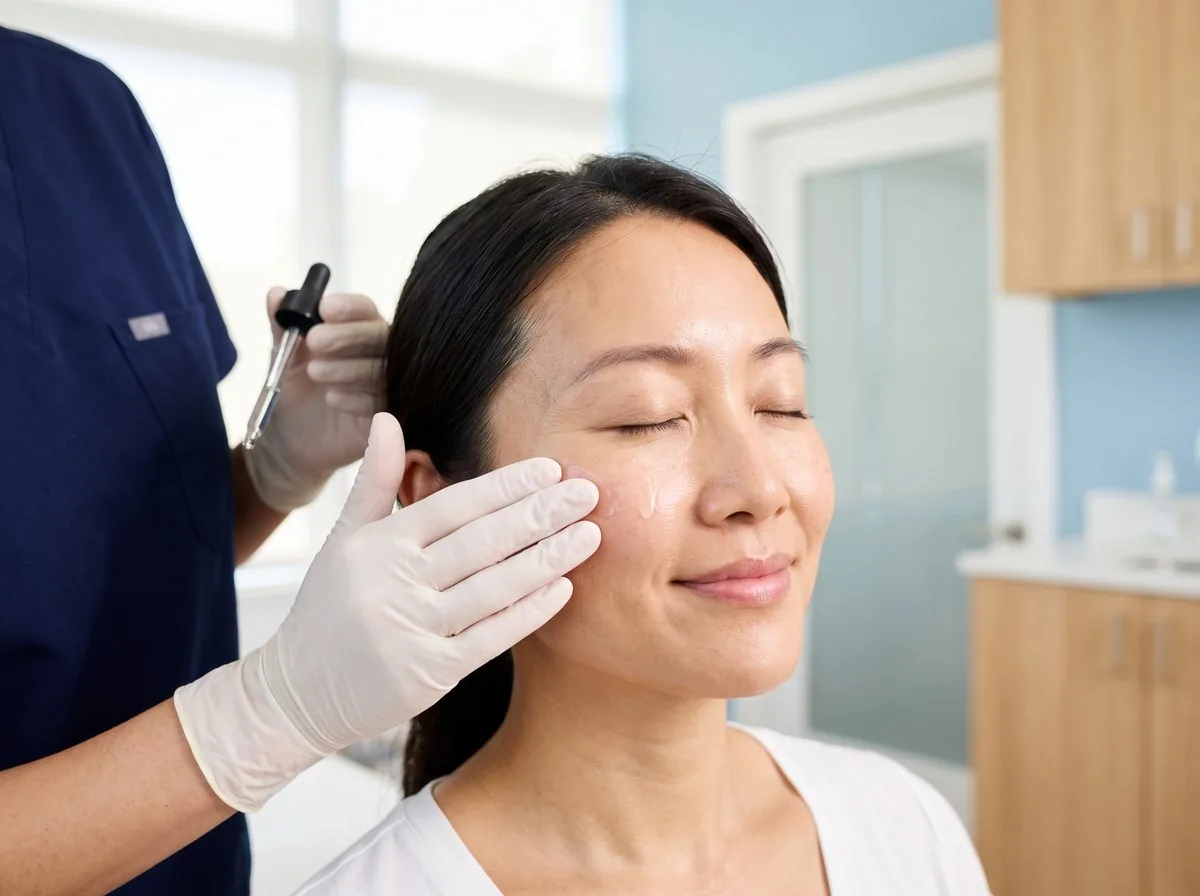
Skin rejuvenation
from $499
Published research shows collagen +44%, elastin +68%, hyaluronic acid +113%.

Joint therapy
consultation
Intra-articular injection. Knee osteoarthritis trials show pain reduction at six months.
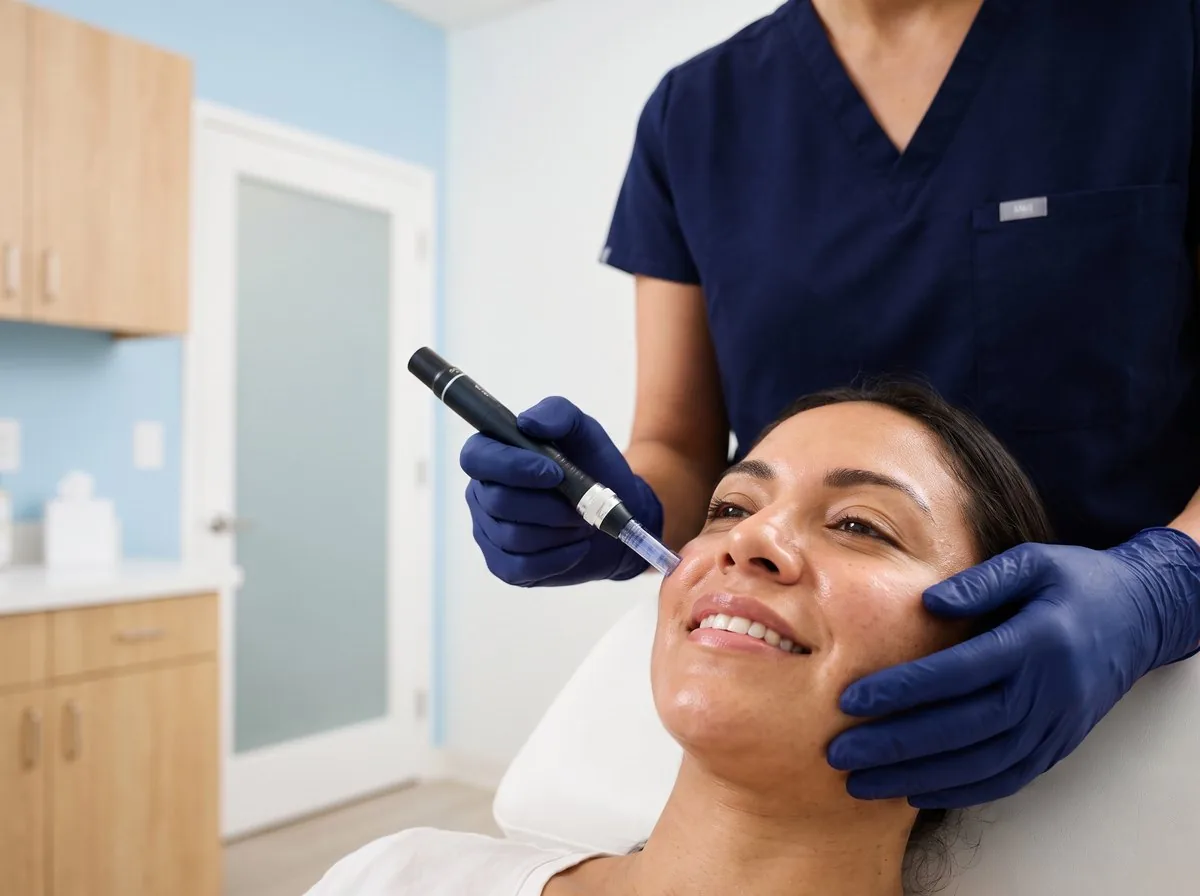
With microneedling
from $499
Microchannels enhance penetration. Applicable to scalp, face and body.
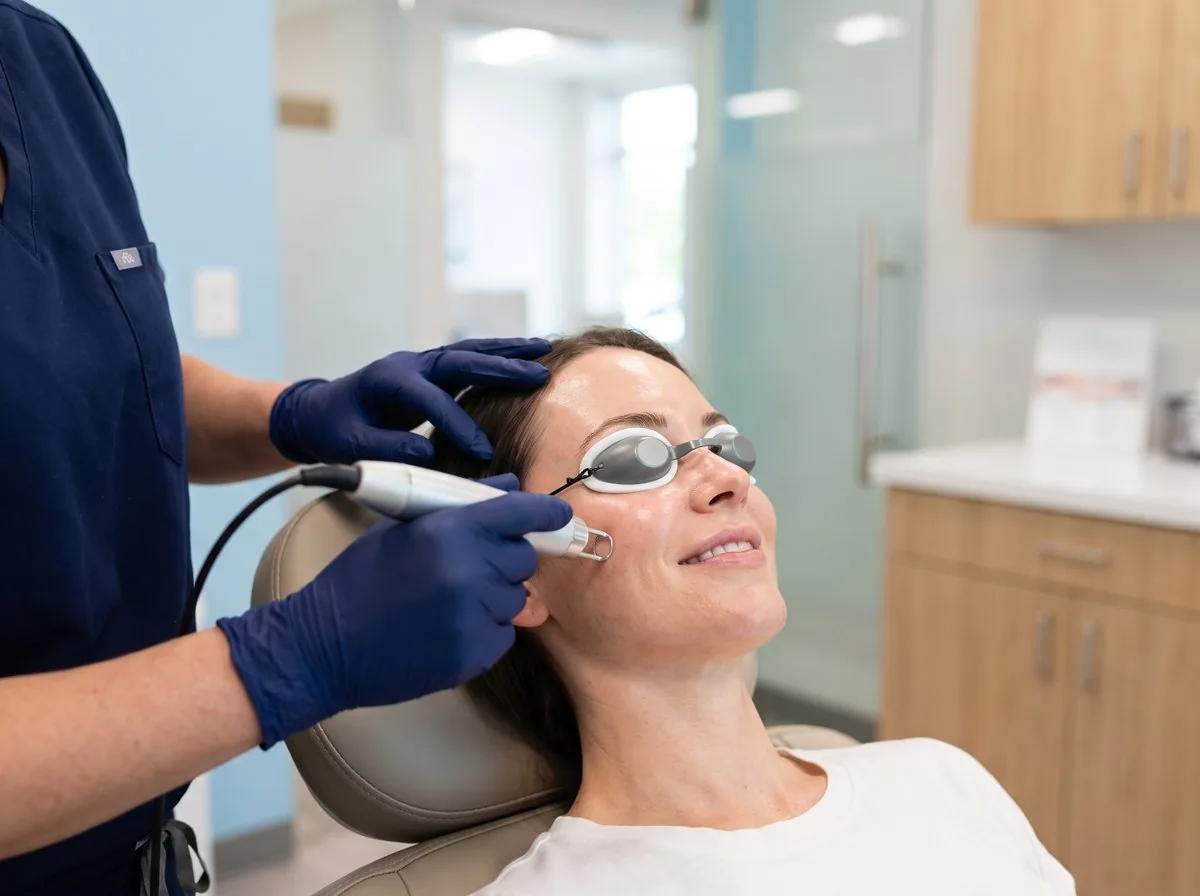
With laser
from $499
Applied post-laser to accelerate healing and minimise downtime.
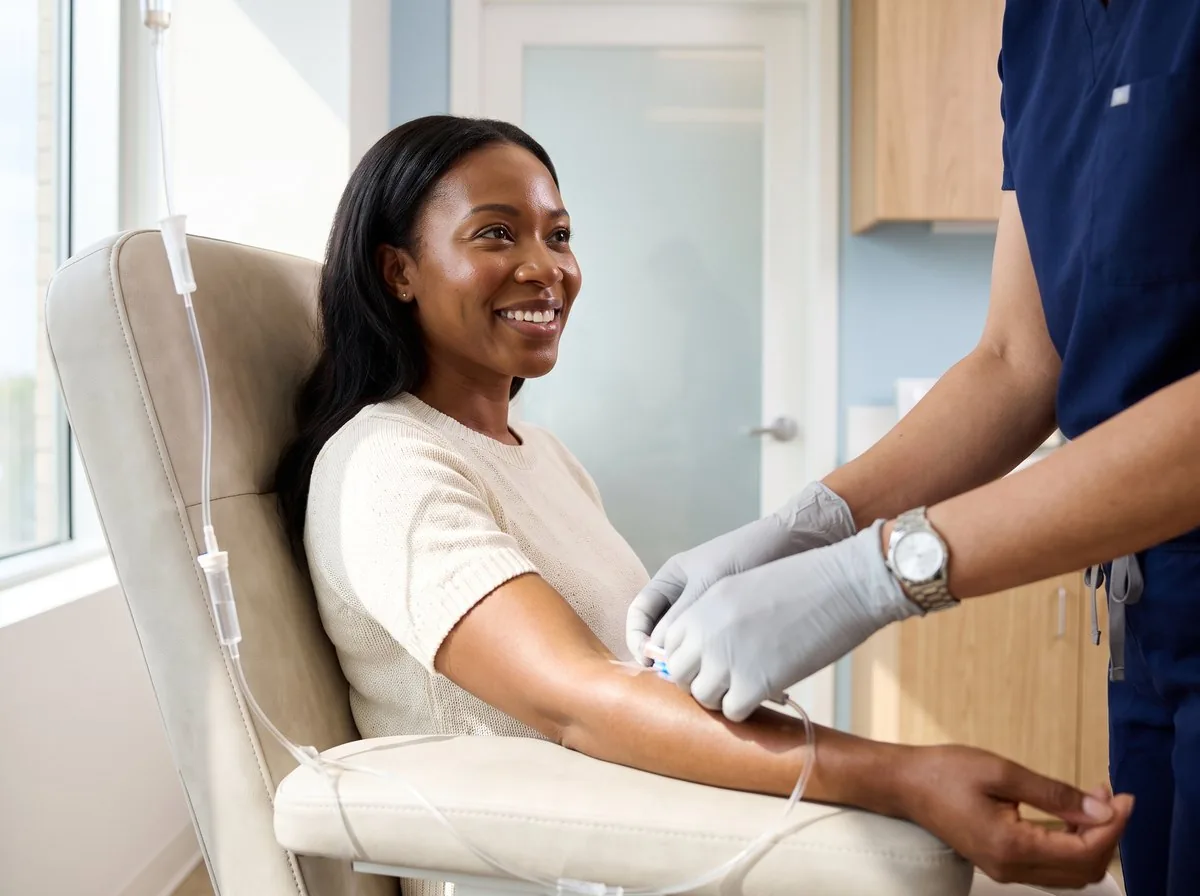
IV and subcutaneous
consultation
Systemic delivery by infusion, subcutaneous or intranasal administration.
How it works
Reset the baseline, amplify the response, then maintain it.
Phase 1, days 0 to 30, inflammatory reset. The objective is to downregulate systemic inflammation and reverse the receptor desensitisation caused by chronic stress or peptide saturation. Cytokine suppression downregulates IL-1β, IL-6 and TNF-α, IL-10 is upregulated, and oxidative stress is cleared via NRF2 pathway activation. This is a clearing of the runway.
Phase 2, days 30 to 90, regenerative acceleration. With receptor sensitivity restored, targeted therapies act with higher efficacy and Cell Factor becomes an amplification layer. Published figures show enhanced extracellular matrix production: collagen +44%, elastin +68% and hyaluronic acid +113%, alongside VEGF/HIF-1α angiogenesis and improved mitochondrial function. Research in Stem Cell Research & Therapy (2025) demonstrates that EV therapy significantly increases tissue repair markers.
Phase 3, 90 days onward, sustained optimisation. Regeneration is a sustained state rather than a single event, so periodic maintenance dosing preserves receptor sensitivity and prevents inflammatory dysfunction re-accumulating.
The delivery mechanism throughout is paracrine signalling: 30 to 150 nanometre extracellular vesicles instruct surrounding cells to repair themselves, with no requirement for cell survival or engraftment. Research in eLife (2015) demonstrates that paracrine communication maximises cellular response fidelity.
Which product
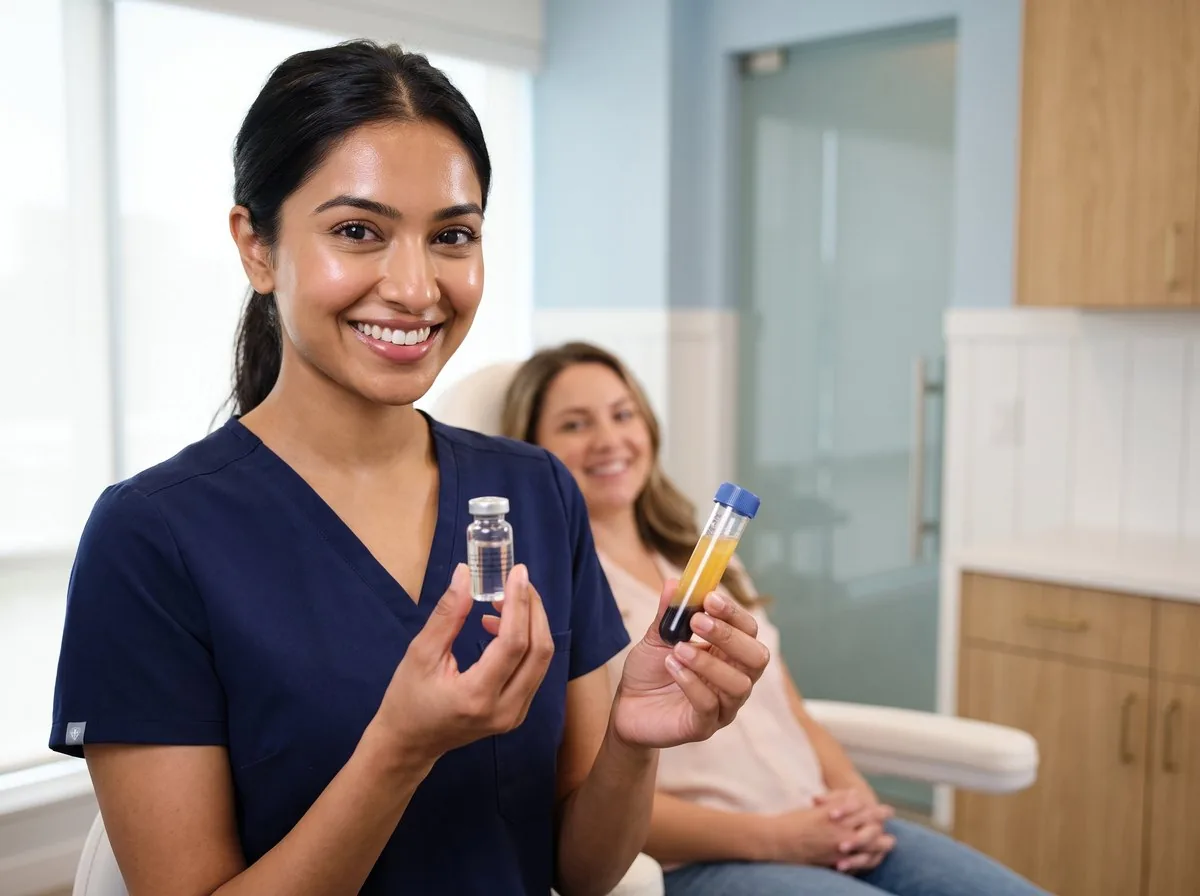
Both leverage stem cell biology. Only one transplants living cells.
Starts working: DNA-free. Lasts: Zero. Cell Factor is acellular and non-replicating, so there is no tumour formation risk. Traditional cellular therapies contain living, replicating DNA and carry a risk of uncontrolled proliferation, particularly with iPSCs.
Starts working: Non-immunogenic. Lasts: None. No rejection and no immunosuppression required. Living cell transplants can be rejected.
Starts working: Paracrine signalling. Lasts: Immediate. Secreted factors instruct surrounding cells directly, so the bioactive molecules work immediately. Cellular therapies require the transplanted cells to survive, engraft and differentiate first.
Starts working: FDA Section 361. Lasts: Not a drug. ⚠️ Classified as human tissue under HCT/P regulations, which means it is NOT FDA-approved as a drug. Traditional stem cells are classified as drugs or biologics and face extensive regulatory hurdles. We will be explicit about this before treatment.
Starts working: Standardised. Lasts: Every batch. Clinically engineered with standardised potency. Cellular therapies vary with donor and culture conditions.
Good to know
Six things that follow from it being acellular.
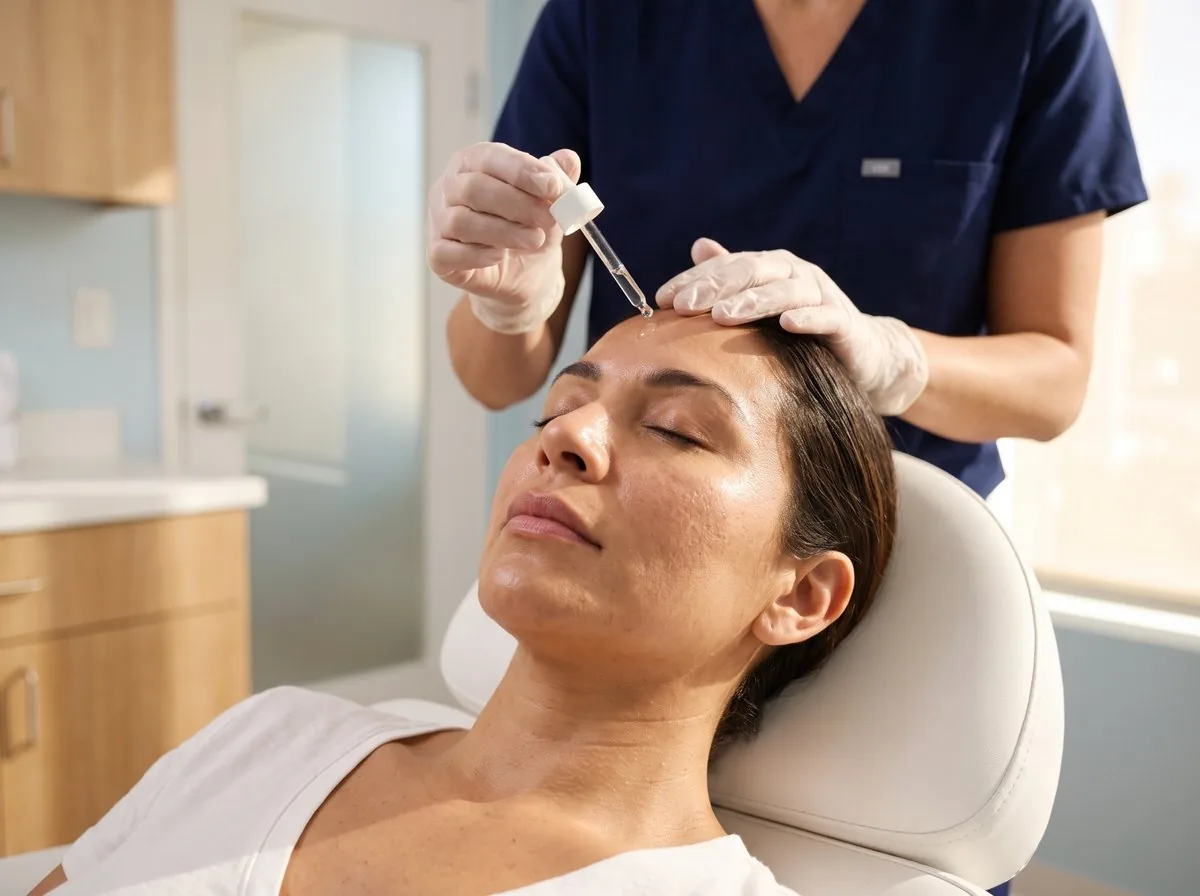
Acellular technology eliminates the risks of tumour formation, immune rejection and DNA alterations, delivering the therapeutic benefit without living cells.
Over 400 growth factors against PRP's 7 to 25, a higher concentration and a wider diversity of bioactive molecules.
Nanoscale delivery at 30 to 150 nm enables deep tissue penetration and superior cellular uptake compared with cellular therapies.
Backed by 77 registered clinical trials worldwide, with peer-reviewed studies in hair restoration, skin rejuvenation and joint therapy.
Classified as human tissue rather than a drug or biologic. ⚠️ This means it is regulated under HCT/P rules, not FDA-approved as a drug, and we will say so plainly.
Lyophilised and standardised, with consistent potency across every batch. No patient dependency, no variability and no deep cold-chain storage.
No phlebotomy and no centrifuge time, which makes for a faster visit and suits anyone who dislikes needles or draws poorly.
Aftercare
Results develop progressively as tissue regenerates.

Improvements in texture and glow may be visible.
Clinical studies show visible improvement beginning here, with continued progress over several months.
Pain reduction often reported within weeks, with continued improvement over three to six months.
Six to eight treatments spaced four to six weeks apart, though some patients see improvement after a single session.
One to three injections.
Most reported effects are mild and transient: temporary redness, swelling and local irritation.
Rare cases of delayed granulomatous reactions have been reported in the aesthetic literature. Proper medical oversight, sterile technique and high-quality sourcing are essential, which is why this is done in a medical setting.
Aftercare
Your result lasts longer when what you use at home is doing the same work. This is the routine our providers start most patients on, dispensed through the practice. Not sure it is right for your skin? Take the skin quiz, or ask your provider to build one around the treatment you are having.

skinbetter science
An exfoliating foam cleanser for normal to oily skin, for a brighter and more refined look without a separate scrub.

skinbetter science
A morning antioxidant serum with a broader antioxidant blend than a single-ingredient vitamin C.

skinbetter science
skinbetter science's most recognized product, and the one most people start with. AlphaRet pairs a retinoid with an alpha hydroxy acid in a single overnight step.

skinbetter science
An eye gel with a visible short-term tightening effect alongside longer-term peptide work.
All four steps together. Dispensed by the practice and shipped to you, or picked up at any of our 22 centers.
Is it for you
Cell Factor is used both as a booster on other treatments and as a standalone therapy, so suitability depends on what you are treating.
Your provider will review your history and explain the regulatory status plainly before anything is booked.
Your timeline
The protocol is built around the application.
Frequently asked
Cell Factor is an acellular, DNA-free therapy derived from stem cell biology that delivers the bioactive factors stem cells produce, including over 400 growth factors and extracellular vesicles, without transplanting living cells. This harnesses the regenerative signalling of stem cells while eliminating risks associated with cellular therapies such as tumour formation and immune rejection.
Traditional stem cell therapy involves transplanting living cells that must survive, integrate and differentiate in the body. Cell Factor delivers only the therapeutic secretome, the bioactive factors that stem cells produce, without the cells themselves. That means no DNA, no cell viability concerns, no tumour risk and immediate bioavailability. Research shows acellular therapies provide comparable regenerative potential with superior safety profiles.
No, and we want to be precise about this. Cell Factor holds FDA Section 361 tissue classification, which classifies it as human tissue rather than a drug or biologic. It is regulated under human cells, tissues, and cellular and tissue-based products (HCT/P) regulations. Unlike live-cell therapies that require extensive FDA approval as drugs or biologics, Cell Factor's acellular, DNA-free formulation qualifies for this less complex regulatory pathway. We provide full transparency about regulatory status and ensure you are completely informed before treatment.
At BHRC we offer Cell Factor for hair restoration, skin rejuvenation, anti-ageing, joint therapy and enhanced healing following aesthetic procedures. We integrate it with microneedling, laser treatments, Sculptra, neurotoxins, Emsculpt and IV nutrient therapy to amplify results. Our medical team will assess your goals during consultation to determine whether it is right for you.
Through several routes depending on the goal: topical application after microneedling or laser, subcutaneous injection for facial rejuvenation, intra-articular injection for joint therapy, intravenous infusion for systemic benefits, or intranasal administration. Your provider will recommend the optimal delivery method at consultation.
It varies by application. For hair restoration we typically recommend six to eight treatments spaced four to six weeks apart, though some patients see improvement after a single session. Skin rejuvenation often shows visible benefit after one treatment but achieves optimal results with a series. Joint therapy may require one to three injections.
Clinical trials report favourable safety profiles. Because it is acellular and DNA-free it eliminates risks associated with living cell therapies including tumour formation, immune rejection and unwanted cell proliferation. Most reported side effects are mild and transient, such as temporary redness, swelling and local irritation. Rare cases of delayed granulomatous reactions have been reported in the aesthetic literature, which is why proper medical oversight, sterile technique and high-quality sourcing matter.
Results vary by application. For skin rejuvenation, improvements in texture and glow may be visible within two to four weeks. For hair restoration, clinical studies show visible improvement beginning at two to three months with continued progress over several months. Joint therapy patients often report pain reduction within weeks, with continued improvement over three to six months.
Yes. It is designed to enhance other aesthetic and regenerative treatments and combines with microneedling, all laser modalities, Sculptra, neurotoxins, dermal fillers, Emsculpt and IV nutrient therapy. It works by restoring receptor sensitivity, which is what allows other therapies to act with higher efficacy.
Cell Factor delivers 400+ growth factors compared with PRP's 7 to 25, and unlike PRP, which varies with patient age and health, it offers consistent standardised potency. Clinical studies show significant improvement after a single session where PRP typically requires five to six. It is also DNA-free, requires no blood draw and has superior tissue penetration due to its nanoscale size. That said, PRP is autologous and has the longer track record. Both have value and your provider will help determine which is optimal for your goals.
Enhance your results
What pairs well with neurotoxin.
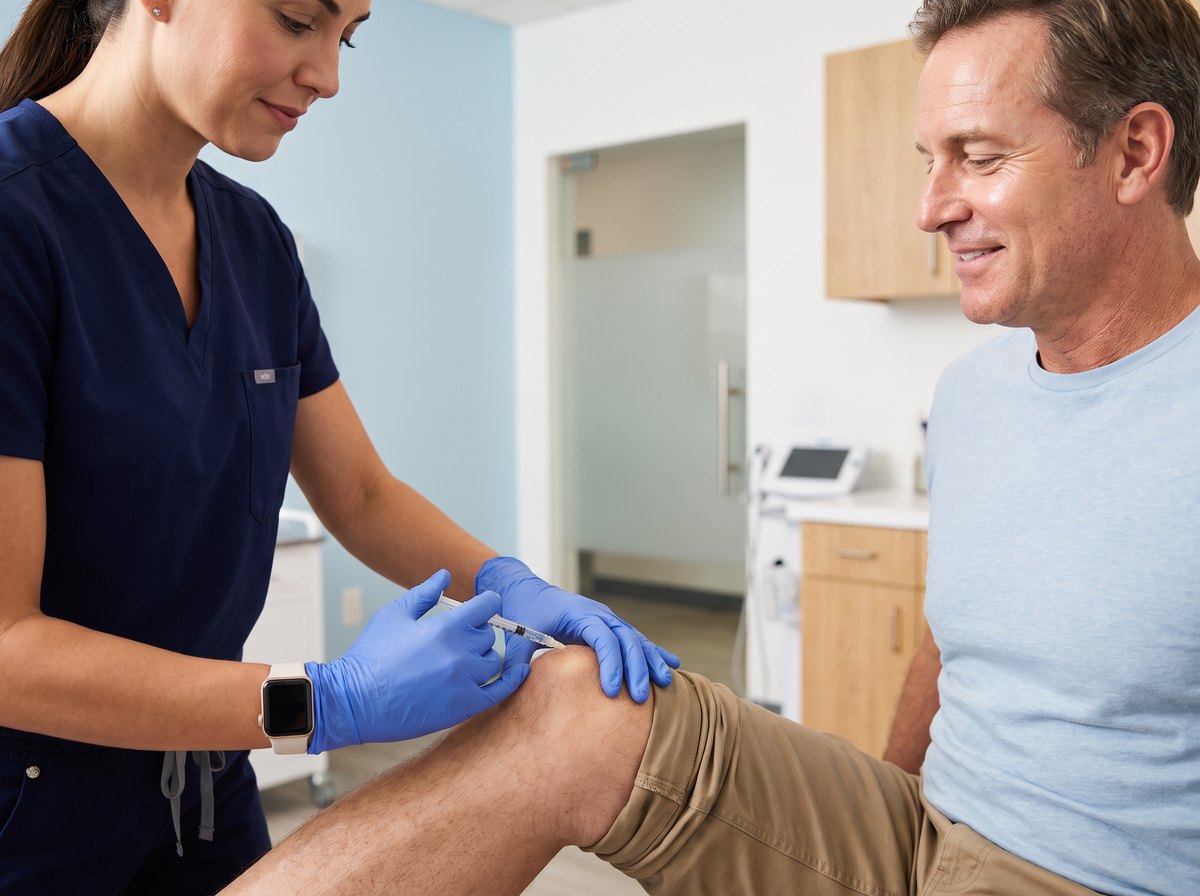
The same platelet concentrate injected into a painful knee, hip or shoulder. From $1,200 a joint.
Learn More
The autologous alternative, using your own platelets. Longer track record, and it needs a blood draw.
Learn More
Where Cell Factor is used standalone, at $950 a session.
Learn More
The most common base treatment for a Cell Factor booster.
Learn More
Where Cell Factor is delivered systemically by infusion.
Learn MoreOur team
The molecule is the same everywhere. Who holds the syringe is not.
Nurse Practitioner
West Hollywood
What Megan does
Section 361 tissue classification means it is NOT FDA-approved as a drug. We put that in writing rather than leaving it implied, because the category routinely does the opposite.
PRP is autologous and has the longer track record. If that matters more to you than potency and convenience, we will say so.
Lyophilised and standardised, so it does not vary with your age or health the way an autologous preparation does.
Rare delayed granulomatous reactions have been reported in the literature. You will hear about that from us before treatment, not afterwards.
Hair, skin, joints, microneedling, laser and IV. Restoring receptor sensitivity is what lets other treatments work harder.
Standardised training and the same protocols in every location.
Find a center
Available at all 22 centers. Pick your closest for directions, hours and local pricing.
West Hollywood, CA
8550 Santa Monica Blvd, Ste 101
West Hollywood, CA 90069

Westlake Village, CA
968 South Westlake Blvd, Ste 10
Westlake Village, CA 91361




Las Vegas, NV
1825 Festival Plaza Dr, Ste 180
Las Vegas, NV 89135

Henderson, NV
120 S Green Valley Pkwy, Ste 174
Henderson, NV 89012


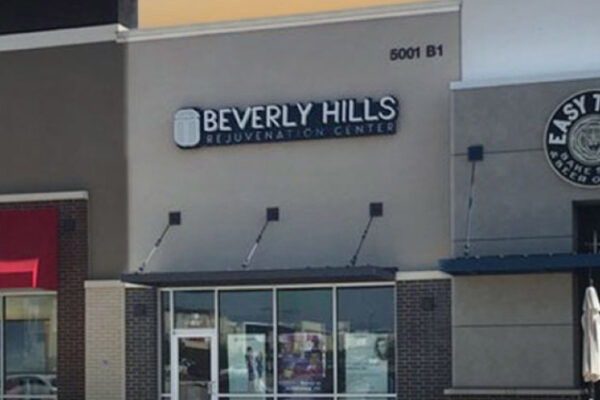
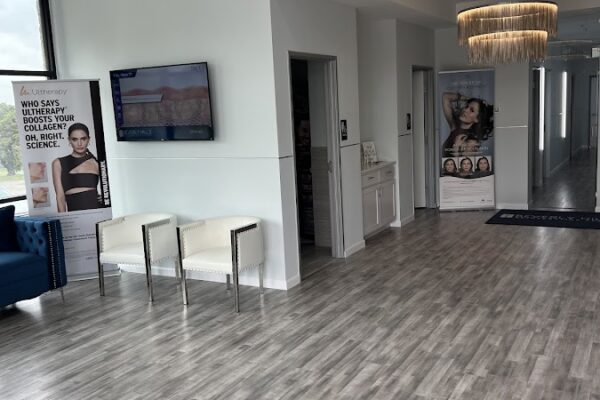
Bee Cave, TX
3944 Ranch Rd 620 S, Bldg 1, Ste 100
Bee Cave, TX 78738


San Antonio, TX
23110 W Interstate 10 Frontage Rd, Ste 203
San Antonio, TX 78257
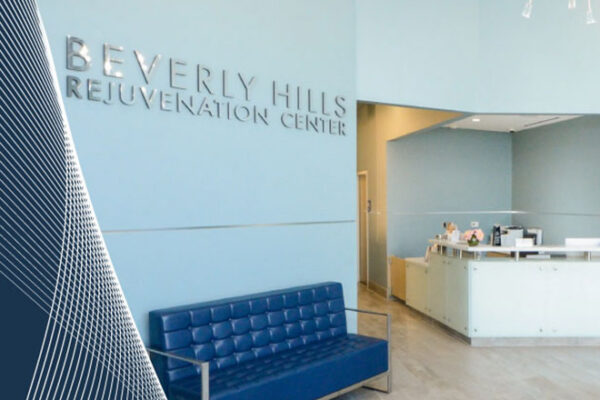
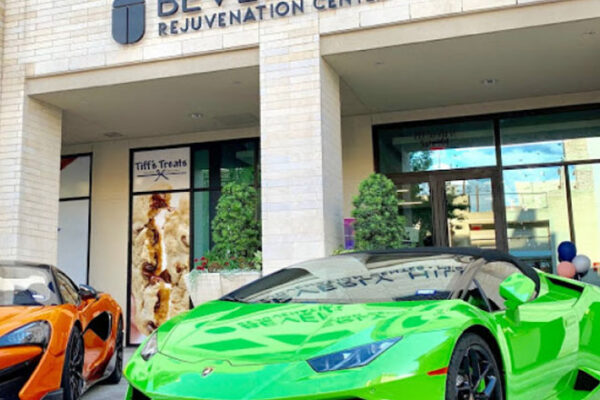

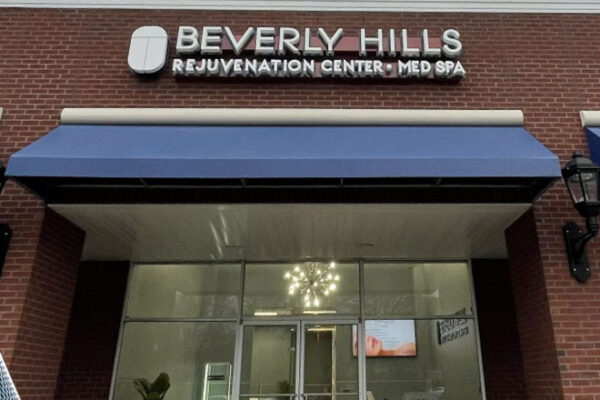
Tell us what you are considering and where, and a provider will be in touch.
"*" indicates required fields
Start your journey
Schedule your complimentary consultation. Your provider will assess your goals, explain the regulatory status plainly, and recommend whether Cell Factor, PRP or something else fits what you are trying to achieve.
Medically reviewed by the BHRC clinical team. Last reviewed August 2026.
This page is for general information and is not medical advice. Treatment suitability, pricing and results vary by individual and are confirmed at consultation with a licensed provider.